Water Damage Restoration
The full job, start to finish — assessment, extraction, drying and checks that the structure is truly dry.
Learn more →From Neuse River flooding and burst pipes to hidden crawl-space leaks, Goldsboro Water Damage connects homeowners with independent local professionals who extract water, dry structures and help get homes back to normal.
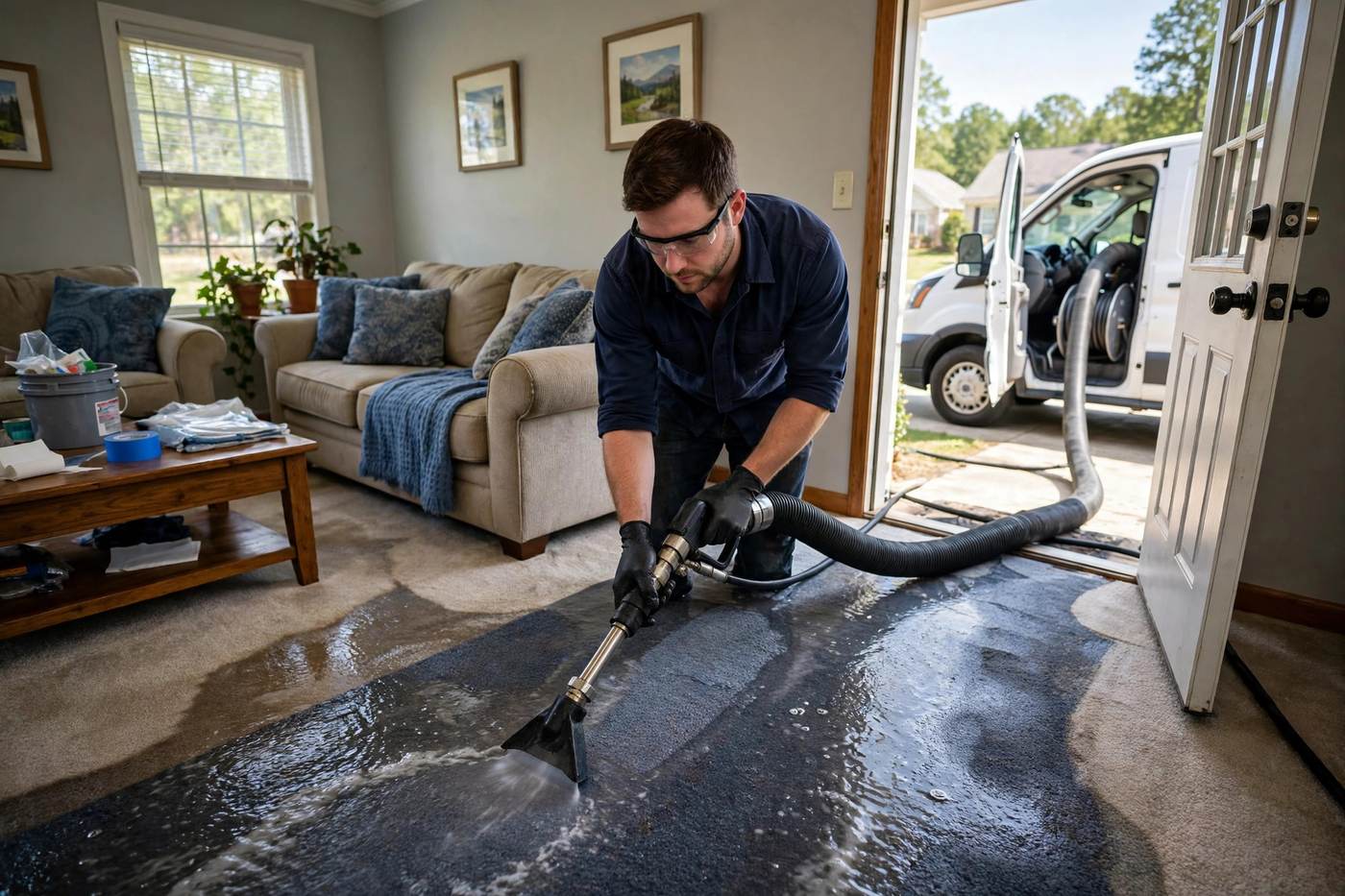
One call connects you with help for the full job — from the first wet floor to the last dry moisture reading.
The full job, start to finish — assessment, extraction, drying and checks that the structure is truly dry.
Learn more →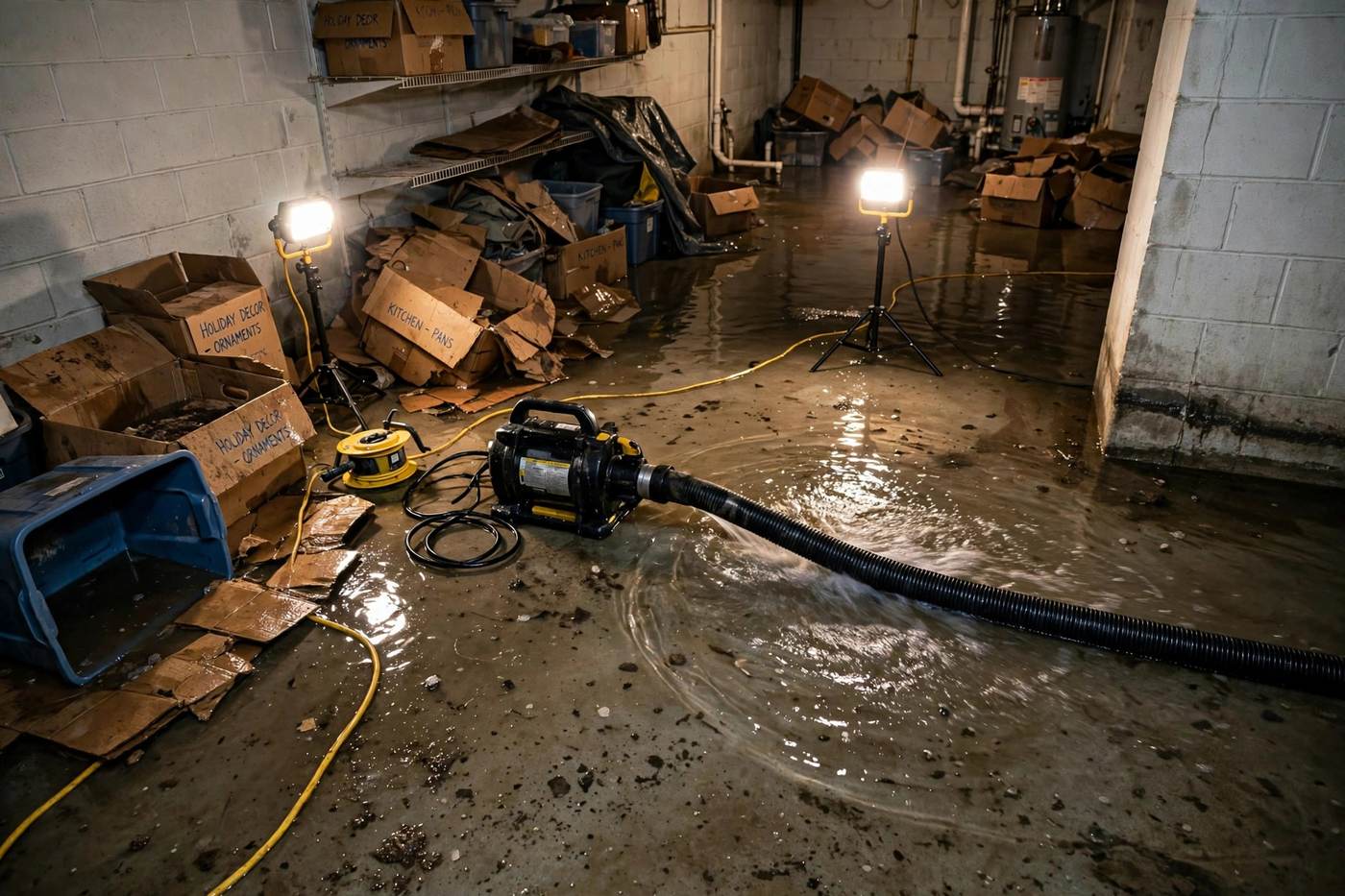
Standing water removed fast from floors, basements and crawl spaces before it spreads further.
Learn more →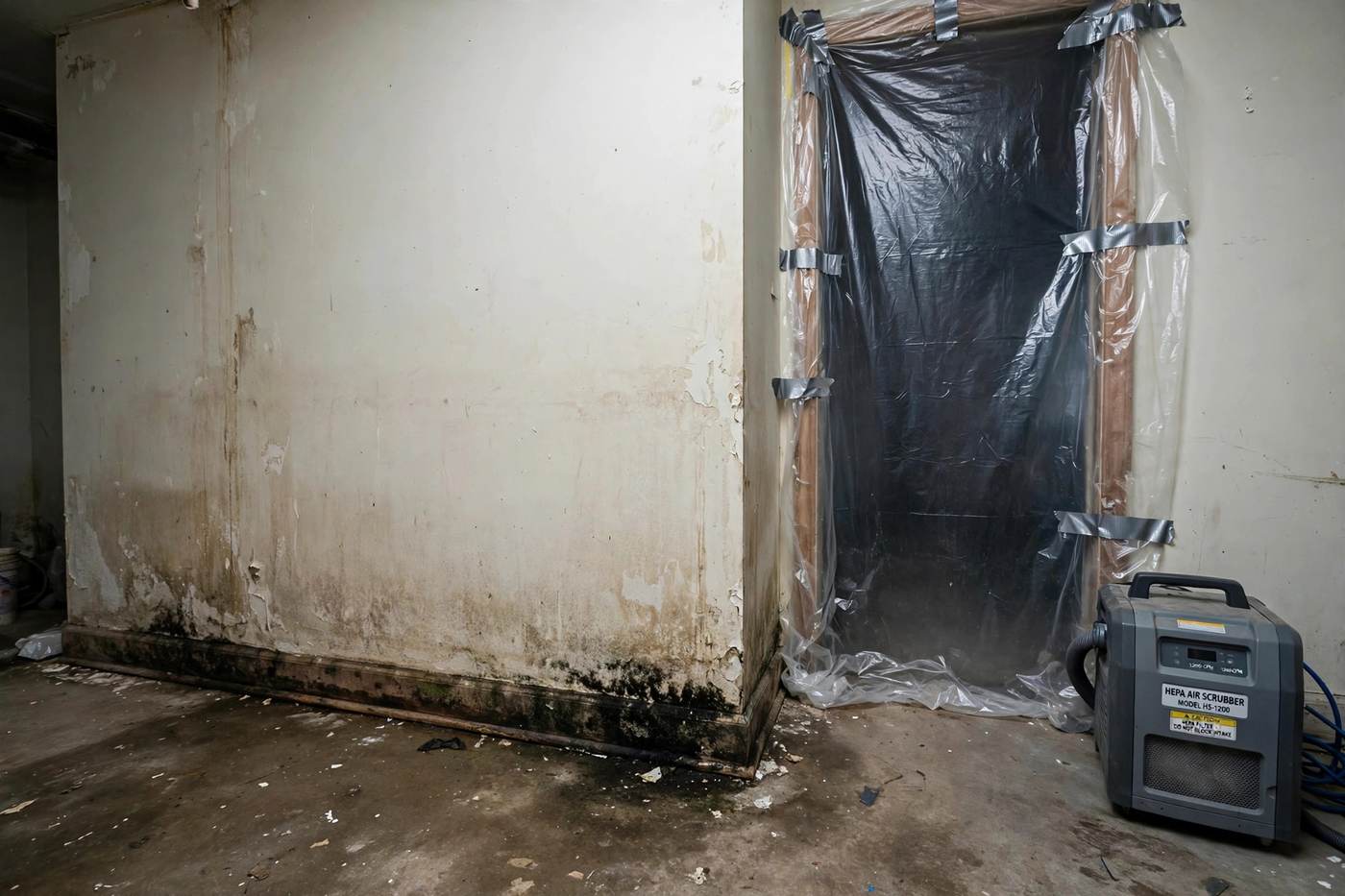
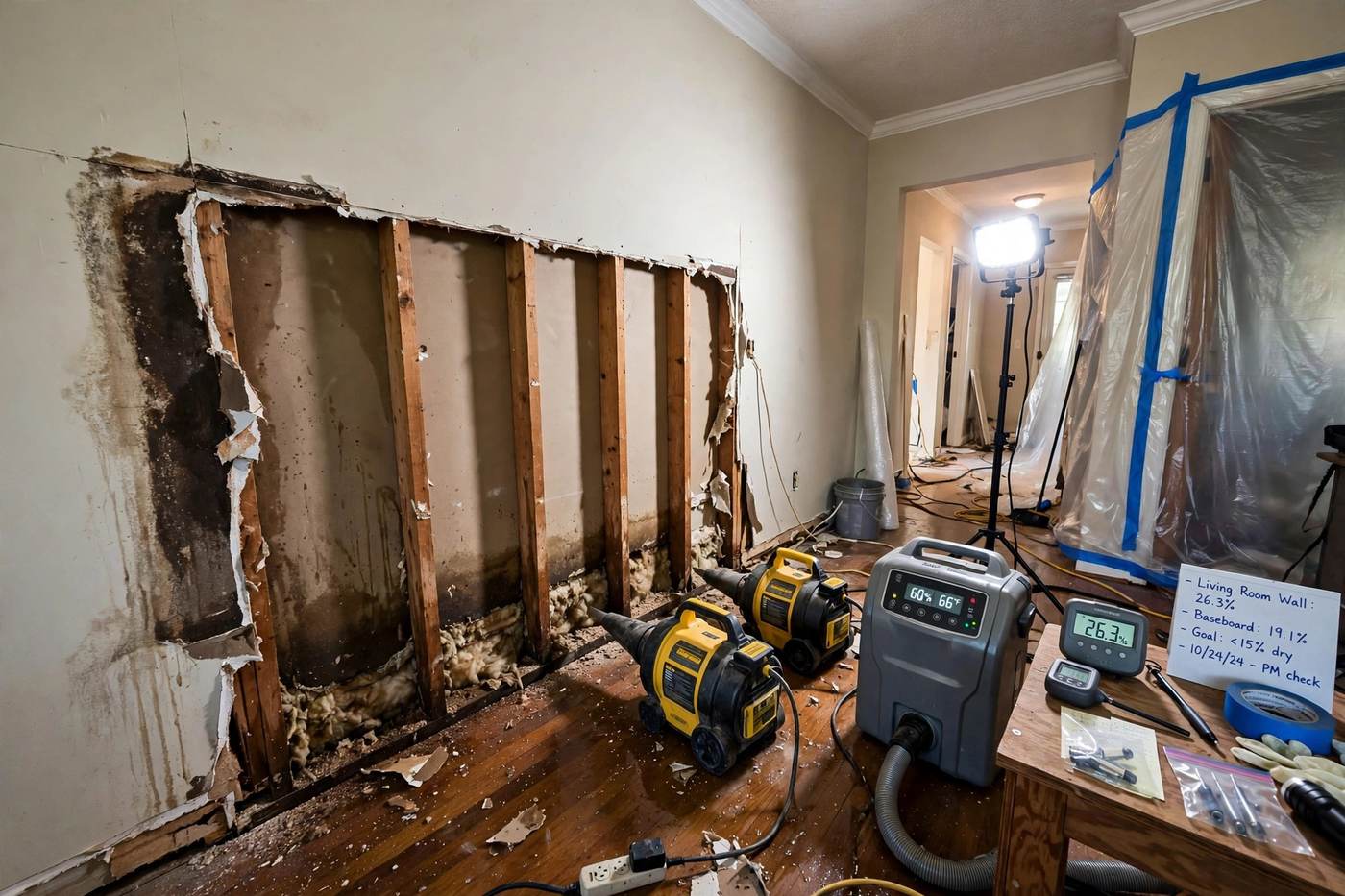
Containment, removal and cleaning after water damage, with drying first so mould has nowhere to return to.
Learn more →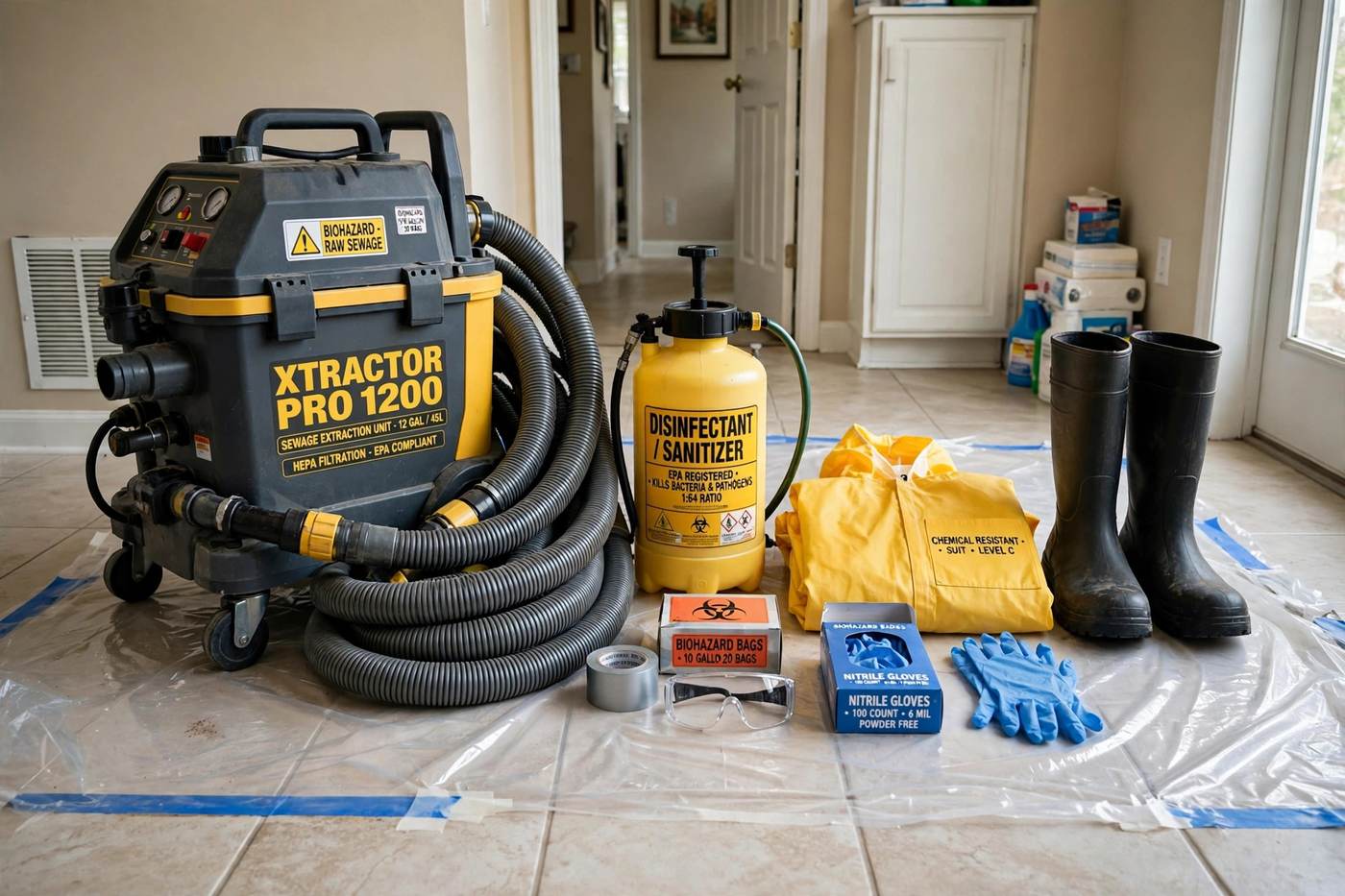
Careful cleanup of sewer backups and black-water flooding, with removal of what cannot be safely cleaned.
Learn more →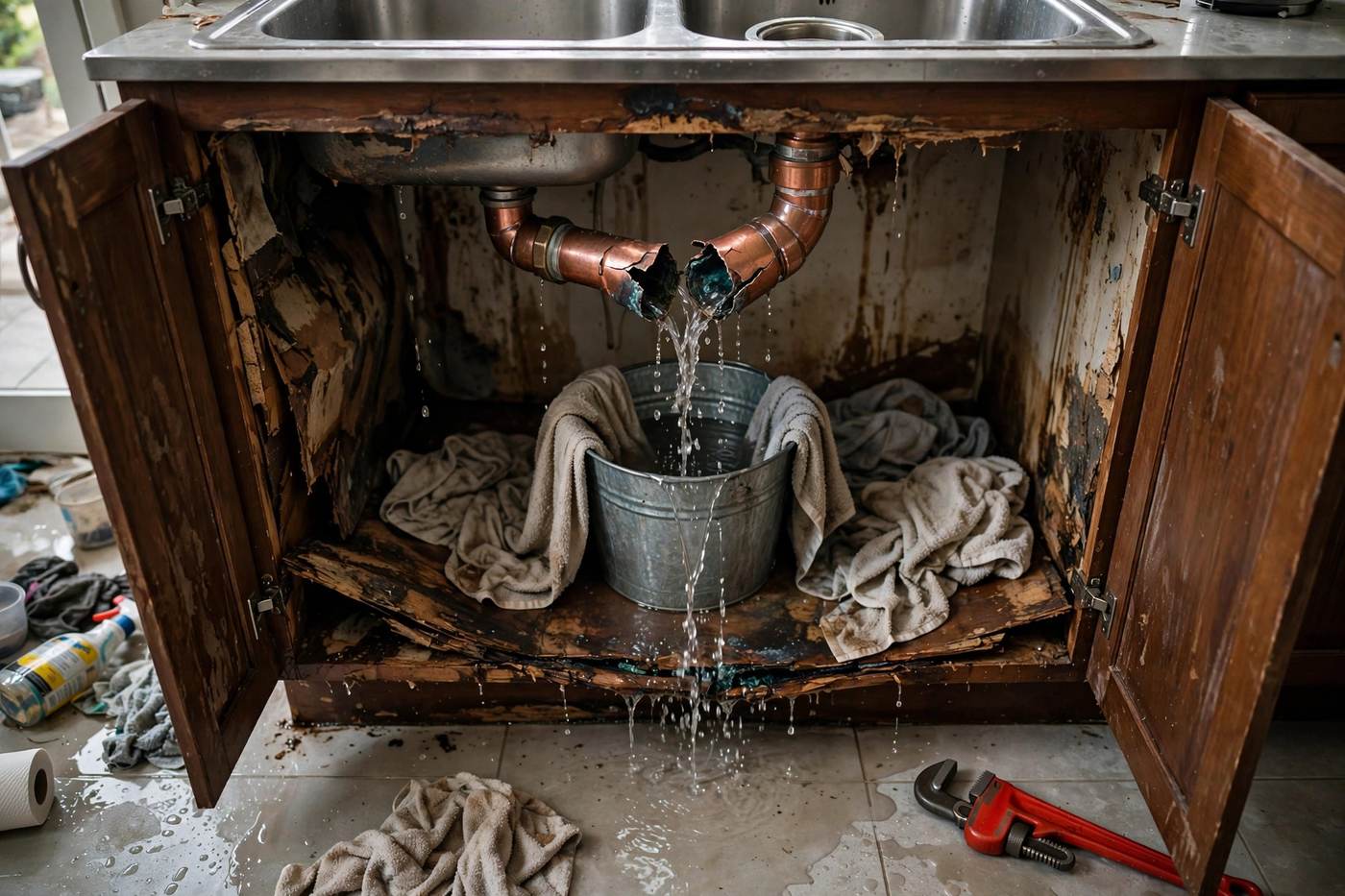
Winter freeze splits a pipe and the damage spreads fast — extraction, drying and repair of what the water touched.
Learn more →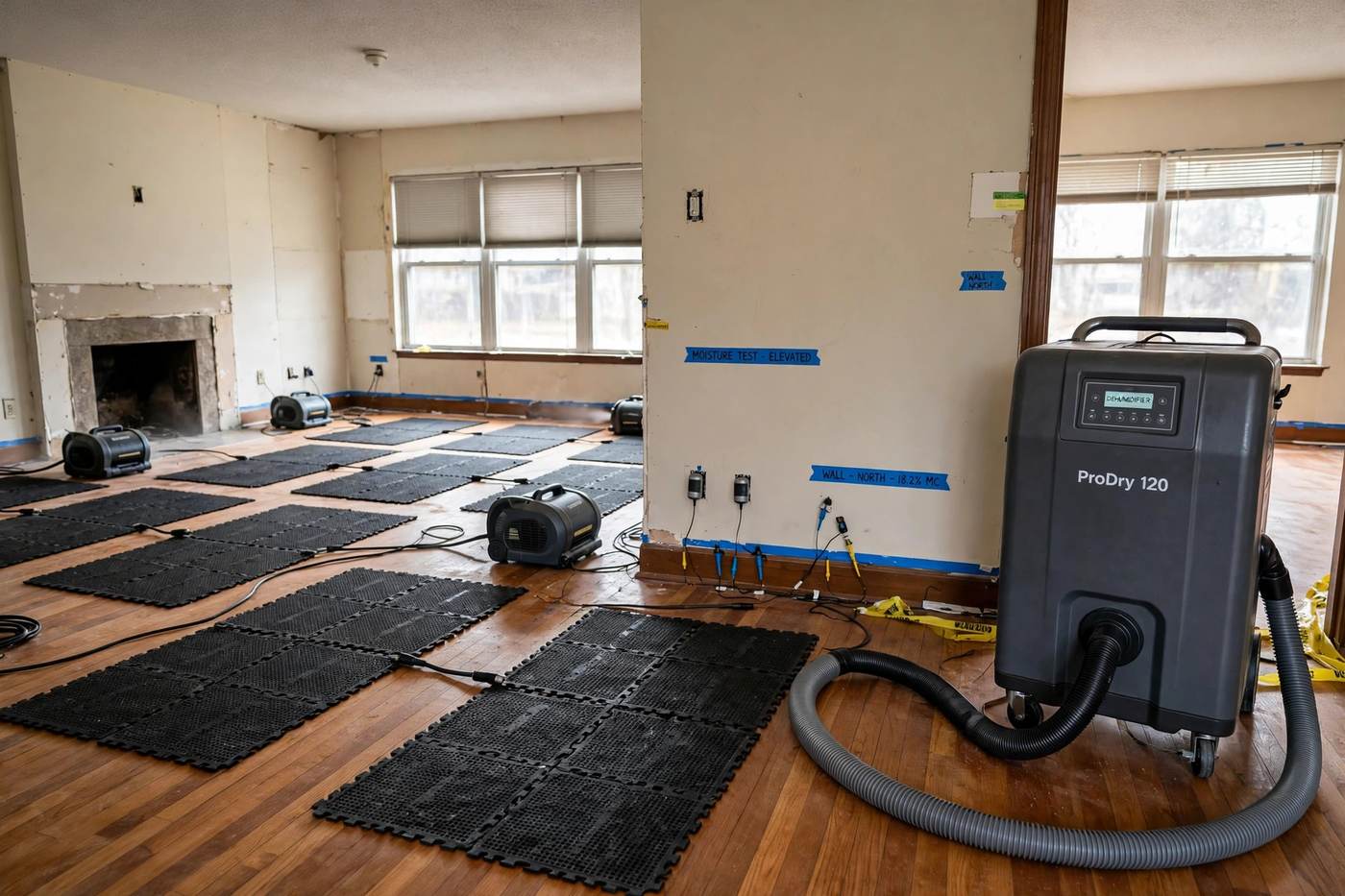
Air movers and dehumidifiers guided by moisture readings until walls, floors and framing test dry.
Learn more →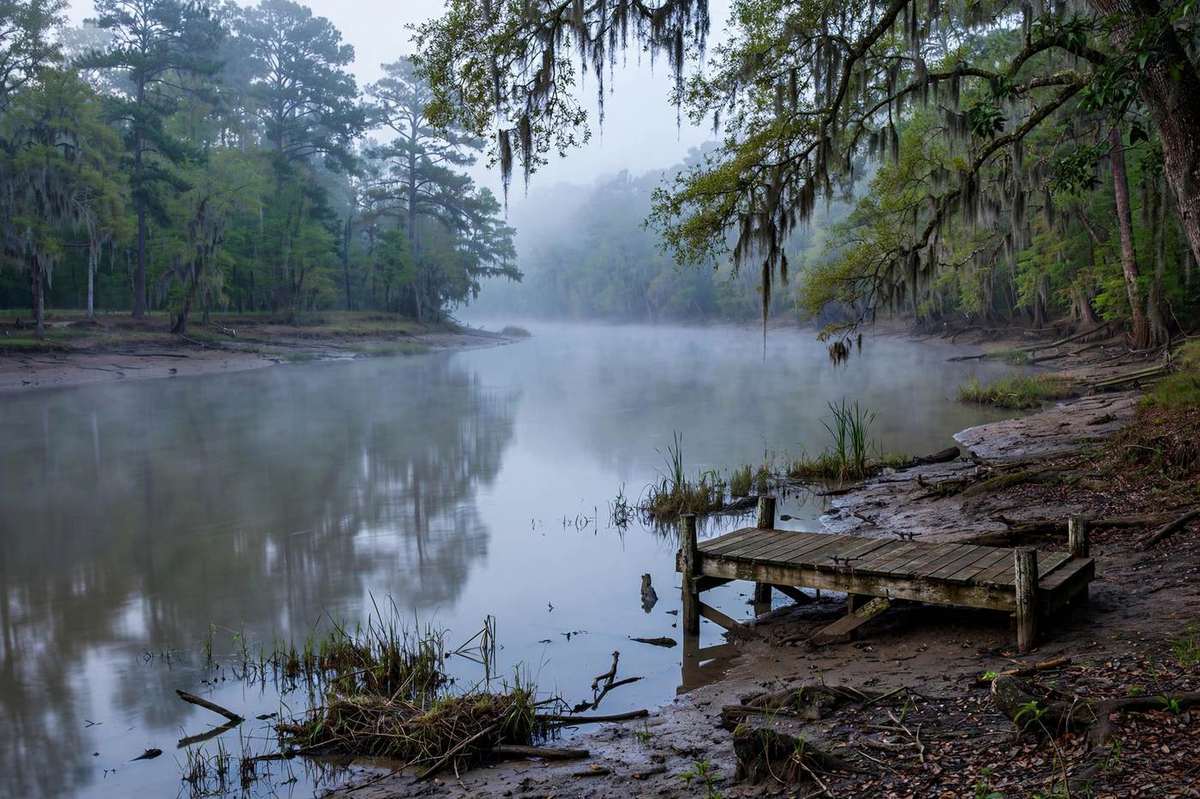
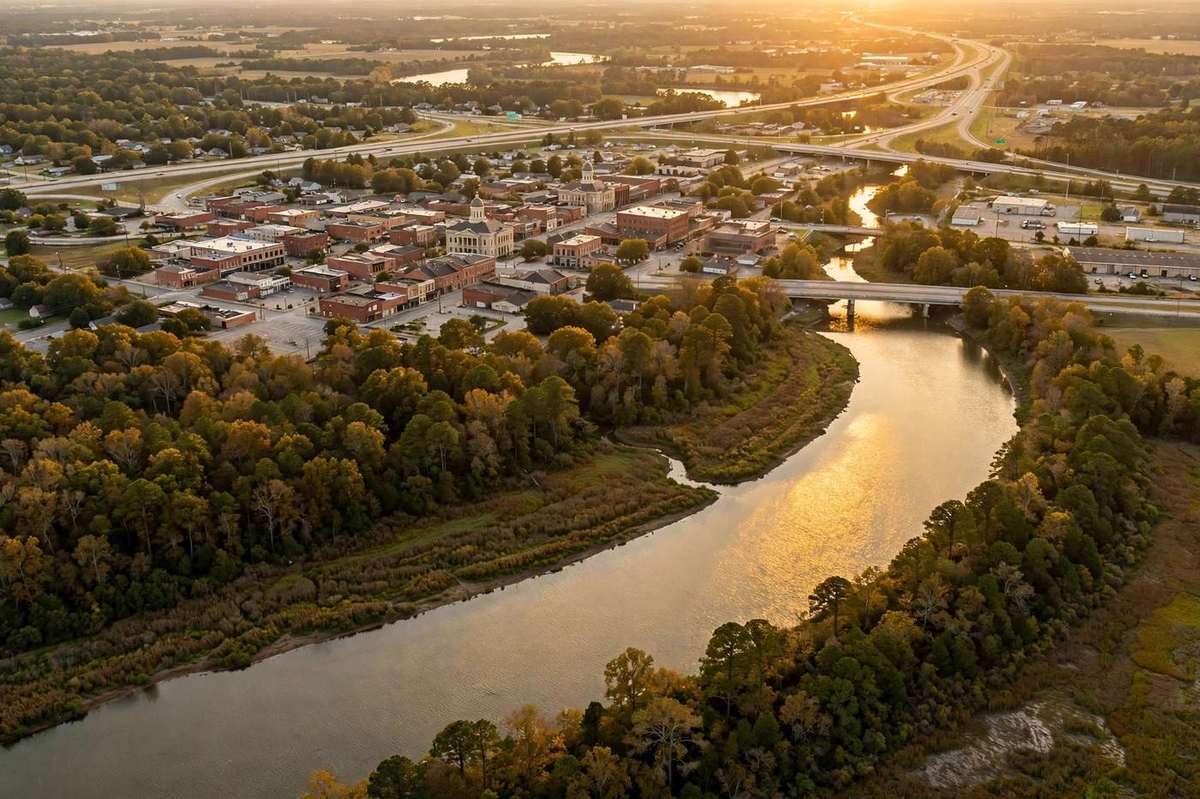
Goldsboro sits on North Carolina’s flat coastal plain beside the Neuse River, and that geography shapes every water problem here. The river has set record crests in Hurricane Floyd in 1999, Hurricane Matthew in 2016 and Hurricane Florence in 2018, and even ordinary tropical rain can sit on low, slow-draining ground for days. Add humid summers, winter freeze snaps that split exposed pipes, and the crawl spaces under most Goldsboro homes, and water finds more ways in here than in most towns its size.
Every job follows the same careful order — assess, remove, dry, then check the drying with instruments before anything is rebuilt.
The affected area is inspected and the wet boundary is mapped with moisture meters, so hidden water behind walls and under floors is found, not guessed at.
Standing water is extracted with pumps and extraction units, and soaked materials that cannot be dried are removed.
Air movers and dehumidifiers run until moisture readings — not the calendar — show the structure is dry.
Based in Goldsboro, we help homeowners across the city and in the towns around it — including these communities:
Historic homes and businesses around the city centre, Herman Park and Berkeley Boulevard.
Lakeside and golf-course homes south-east of downtown Goldsboro.
Golf-course community homes with spacious lots and mature trees.
Family homes south of Goldsboro along the US-117 corridor.
Established mid-century neighbourhood of brick homes under large shade trees.
See the complete list of Goldsboro neighbourhoods and nearby towns we serve.
If it is safe to do so, stop the water at its source — turn off the main water supply for a burst pipe, and switch off electricity to affected rooms if water is near outlets or appliances. Move valuables and rugs to dry ground, then call (919) 555-0140 for help. Avoid wading into water that may be contaminated, and do not use a household vacuum on standing water.
Drying often takes several days, and the time depends on the materials involved, how much water there was, and the humidity. In Goldsboro’s humid climate drying can take longer than in drier regions. The right check is a moisture meter reading, not the calendar — drying equipment should keep running until walls, floors and framing test dry.
We help homeowners across Goldsboro — including Downtown Goldsboro, Walnut Creek, Lane Tree, Rosewood and Parkwood — and in nearby towns such as Dudley, Pikeville, Princeton, Fremont and Mount Olive. See our full service area list on the service areas page.
Yes. In warm, humid conditions mould can begin growing on wet materials in as little as 24 to 48 hours. That is why fast extraction and thorough drying matter so much here. If wet drywall, carpet or insulation is left damp, mould remediation may be needed as well as drying. Learn more on our mould remediation page.